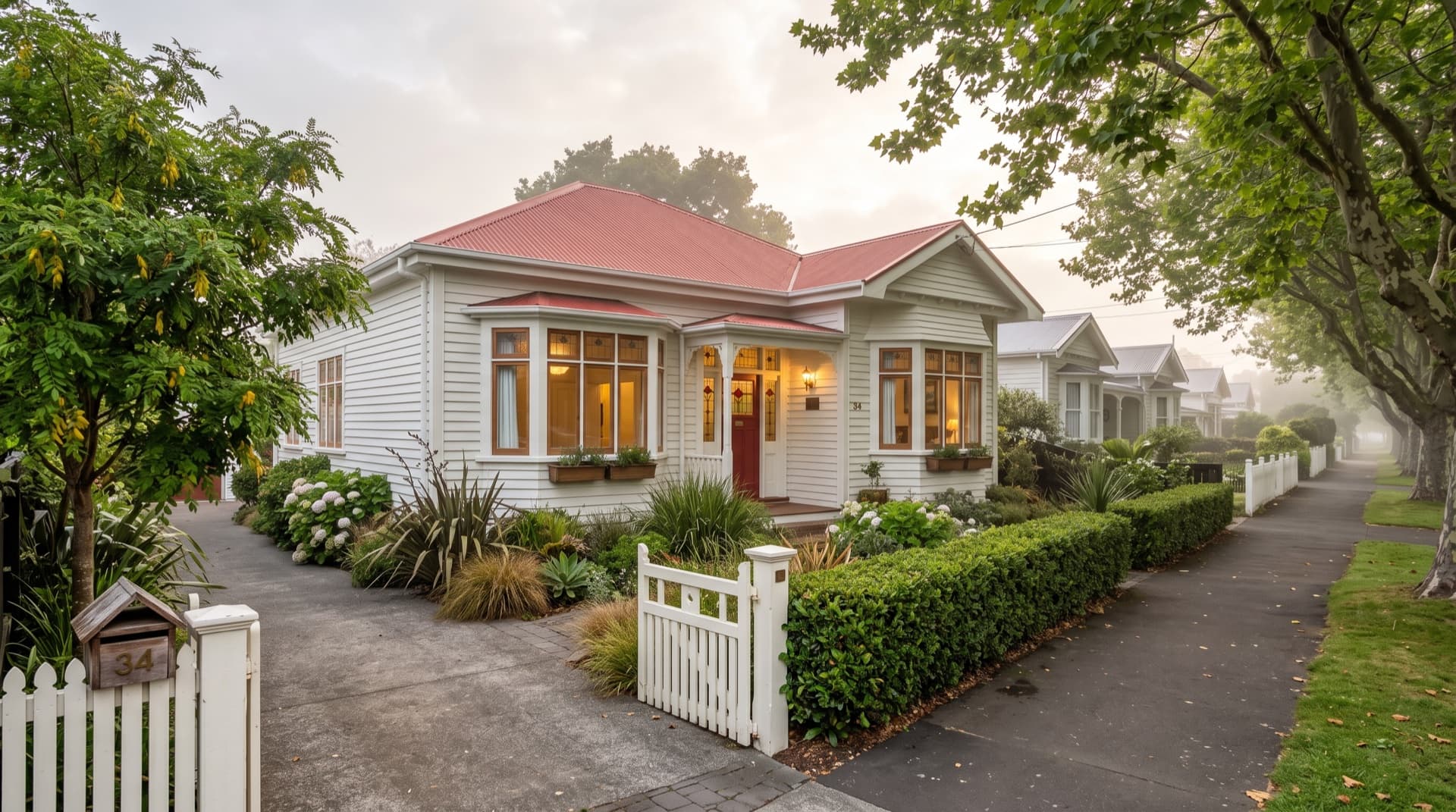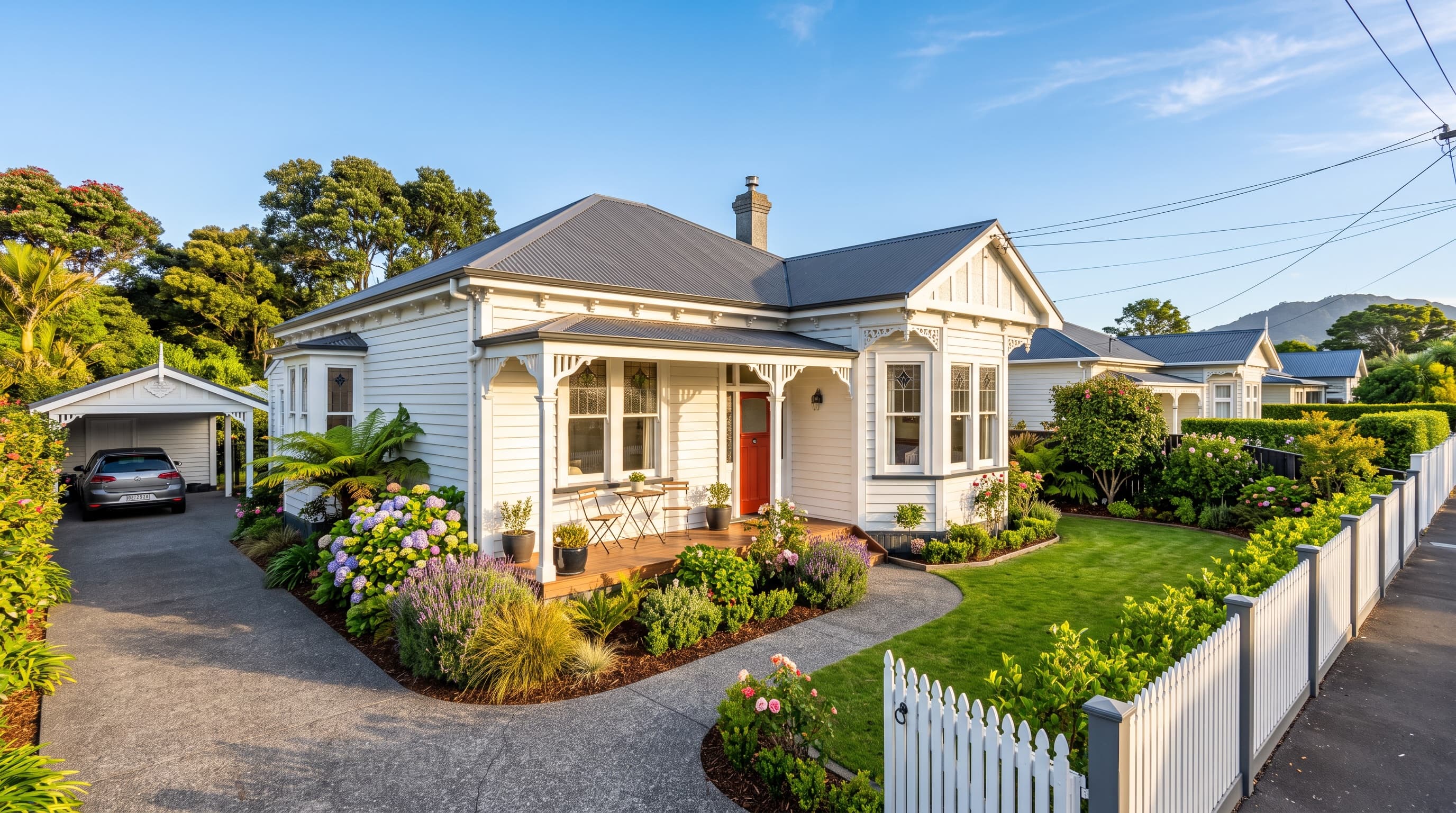
Auckland offers vendors three main methods of sale — auction, deadline sale, and price by negotiation. Here's how each one works and how to know which suits your property.
Method Matters — But It's Not Everything
Auckland has more auction activity than almost anywhere else in New Zealand. If you're selling here, you'll almost certainly be asked to consider it. But auction isn't the right method for every property or every vendor — and an agent who recommends it without being able to explain why isn't giving you good advice. Here's an honest breakdown of your three main options.
Auction
An auction campaign typically runs for three to four weeks. During that time, the property is marketed actively — open homes, online listings, buyer follow-up. On auction day, registered bidders compete in real time, and if the reserve price is met, the highest bid wins. The sale is unconditional from the moment the hammer falls — no finance clause, no building inspection clause, no conditions of any kind.
Pros:
- Competitive bidding can drive the price beyond what you might have accepted in private negotiations
- Unconditional from day one — no risk of deals falling over due to finance or due diligence
- A set timeframe focuses buyer attention and creates genuine urgency
Cons:
- Requires an active buyer pool — if only one serious buyer shows up, the competition disappears
- Can be stressful for vendors and buyers alike
- If the property doesn't sell under the hammer, you're negotiating post-auction, often from a weaker position
Best for: Desirable properties in active suburbs where multiple buyers are likely. Auction is Barfoot and Thompson's preferred method and tends to perform well in competitive Auckland markets.
Deadline Sale (Deadline Private Treaty)
A deadline sale works by inviting buyers to submit written offers by a specified date. The vendor reviews all offers at once and can accept, reject, or negotiate further. Buyers can submit conditional offers — subject to finance or a building report — which opens the door to a wider pool than auction does.
Pros:
- Creates urgency and competition without the public theatre of an auction
- Allows conditional offers, which means more buyers can participate
- Gives the vendor control — you're not obligated to accept any offer
Cons:
- Less competitive tension than a live auction room
- The process can feel anticlimactic if only one offer comes in
Best for: Properties with a smaller or more specific buyer pool, or vendors who want structured competition but prefer a more private process.
Price by Negotiation (PBN)
Price by negotiation means the property is listed at a stated price — or with a "buyer enquiry over" guide — and offers come in on an ongoing basis. There's no deadline and no auction room. It's a straightforward, transparent method.
Pros:
- Simple and easy for buyers to engage with
- A clear price point removes ambiguity
- Works well in quieter markets where buyers need more time
Cons:
- No deadline means buyers can take their time — sometimes weeks or months
- Without competition, the negotiation dynamic often favours the buyer
- Campaigns can drag, and extended days on market can raise questions
Best for: Unique properties that are harder to compare directly, quieter market conditions, or vendors with no particular time pressure.
What About Tender?
A tender is similar in structure to a deadline sale — buyers submit sealed written offers by a set date — but is more commonly used for commercial or development properties. For standard residential sales in Auckland, tender is less common, though it does appear occasionally for higher-value or complex properties.
The Honest Advice
Method matters — but it's not the biggest variable in your result. Pricing, presentation, and the quality of your marketing campaign will have a greater impact than which box gets ticked on the agency agreement. That said, choosing the wrong method for your property can cost you real money. Sending a property to auction with insufficient buyer interest, or sitting a high-demand property on a PBN for months, are both avoidable mistakes.
Your agent should recommend a method based on your specific property and what the current market is doing — not based on what's simplest for them to run or what their branch does by default. Ask them to make the case. If they can't, keep looking.
If you'd like to find out what your Auckland property is worth, I'd love to help. A free market appraisal takes about 30 minutes and gives you a clear picture of where you stand — whether you decide to sell with me, with someone else, or not at all. Book your free market appraisal today.

Kellys Osorio
Licensed Salesperson, Barfoot & Thompson