Close to half the homes in Mount Wellington and Ellerslie sit on cross-lease titles, and most owners cannot explain what that means. Here is what your title really is, what it does to your price, and how to prepare it for sale.
Close to half the homes I appraise in Mount Wellington and Ellerslie sit on a cross-lease title. And in most of those appraisals, when I ask the owner what that actually means, I get an honest shrug. That is completely normal. You can live happily in a cross-lease home for thirty years without the title ever mattering. But the day you decide to sell, it starts mattering a great deal, because your buyer's lawyer will understand your title even if you never have.
So let me explain it the way I do at kitchen tables around these suburbs, and then walk through what it means for your price and your preparation.
What a Cross-Lease Actually Is
With a normal freehold title, you own your piece of land outright. With a cross-lease, you and your neighbours jointly own the whole section together, and then each of you leases your own home from the group, usually on a 999-year lease for a token rent. So you do not technically own your house and land; you own a share of the land, plus a very long lease of your particular flat or house.
Attached to that lease is a document called the flats plan: a drawing of the buildings' footprints showing which areas each owner has exclusive use of, such as your garden or your carport. Remember the flats plan. It is about to become the most important piece of paper in your sale.
Why Half the Neighbourhood Is Titled This Way
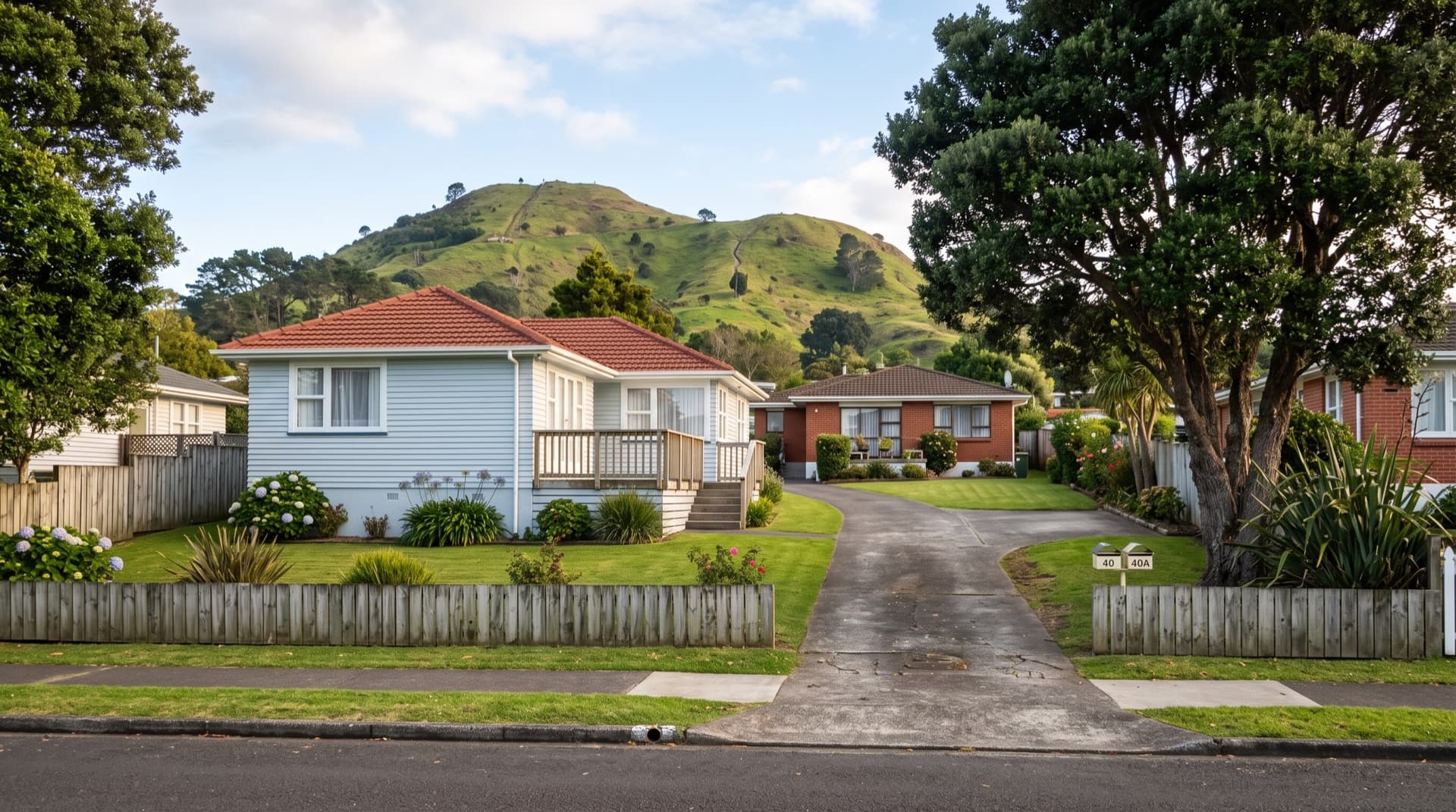
From the 1960s through the 1980s, cross-leasing was the cheap and fast way to put a second or third dwelling on a suburban section without going through a full subdivision. Mount Wellington, Ellerslie, Panmure and the surrounding suburbs grew exactly this way, which is why the classic local combination of a front house and a rear unit sharing a driveway is so often a cross-lease. It was never a flaw. It was just the tool of the era.
The Flats Plan: The Document That Can Sink a Sale
Here is where sales come unstuck. The flats plan shows the building as it was when the plan was drawn. If anyone has since added a conservatory, enclosed a deck, extended the kitchen or put up a sleepout, and the plan was never updated, the title no longer matches reality. Lawyers call this a defective title, and it is the single most common cross-lease problem I see.
A defective title does not make your home unsellable, but it hands every buyer a reason to hesitate and a lever to negotiate you down. Some banks get nervous. Some buyers walk. The fix, updating the flats plan with your neighbours' consent, takes time and money, and it is a far better project to tackle before you list than in the middle of a conditional contract with a deadline running.
What Cross-Lease Does to Your Price
Let me be straight: like for like, a cross-lease home usually sells for somewhat less than its freehold twin, because buyers are buying shared ownership and a set of obligations to their neighbours. But the gap is much smaller than most owners fear, and a tidy cross-lease with a clean, accurate title in a sought-after street will comfortably outsell a freehold home that has been poorly presented. Buyers around here know these titles well. What they discount is not the cross-lease itself; it is uncertainty, defects and neighbour disputes.
Should You Convert to Freehold Before Selling?
Converting a cross-lease to a fee simple title is possible, and it genuinely adds value. It also needs a surveyor, the council, your lawyer and, crucially, the agreement of every other owner on the title, and the combined cost commonly runs into the tens of thousands. For most sellers, the maths does not stack up on the eve of a sale. Where it can make sense is when the title is already defective and needs surgery anyway, or when you and your neighbours have time on your side and split the cost long before anyone lists. This is a numbers conversation, and I am happy to run them with you honestly.
How to Prepare a Cross-Lease Home for Market
- Order your title and flats plan early. Your lawyer can pull them in a day. Read them before any buyer does.
- Walk the plan against the real building. Any addition or alteration that is not on the plan needs advice from your lawyer now, not later.
- Gather the consents. If past work had council consent and neighbour approval, have the paperwork ready to show.
- Keep the peace. Buyers ask about the neighbours on shared titles. A friendly relationship across the driveway is a genuine selling point, so mention it in the campaign.
- Disclose, do not hope. Anything a buyer's lawyer will find, tell them first. Honesty keeps the momentum, and momentum keeps the price.
A Final Thought
A cross-lease title is not a problem to apologise for. It is simply part of how our suburbs were built, and buyers in Mount Wellington and Ellerslie purchase these homes every week. The owners who get full value are the ones who understand their title before the campaign starts and present it clean, documented and free of surprises.
If you own a cross-lease home and want to know exactly where your title stands and what it would achieve in today's market, that is a conversation I have most weeks. Book your free market appraisal today.

Kellys Osorio
Licensed Salesperson, Barfoot & Thompson